
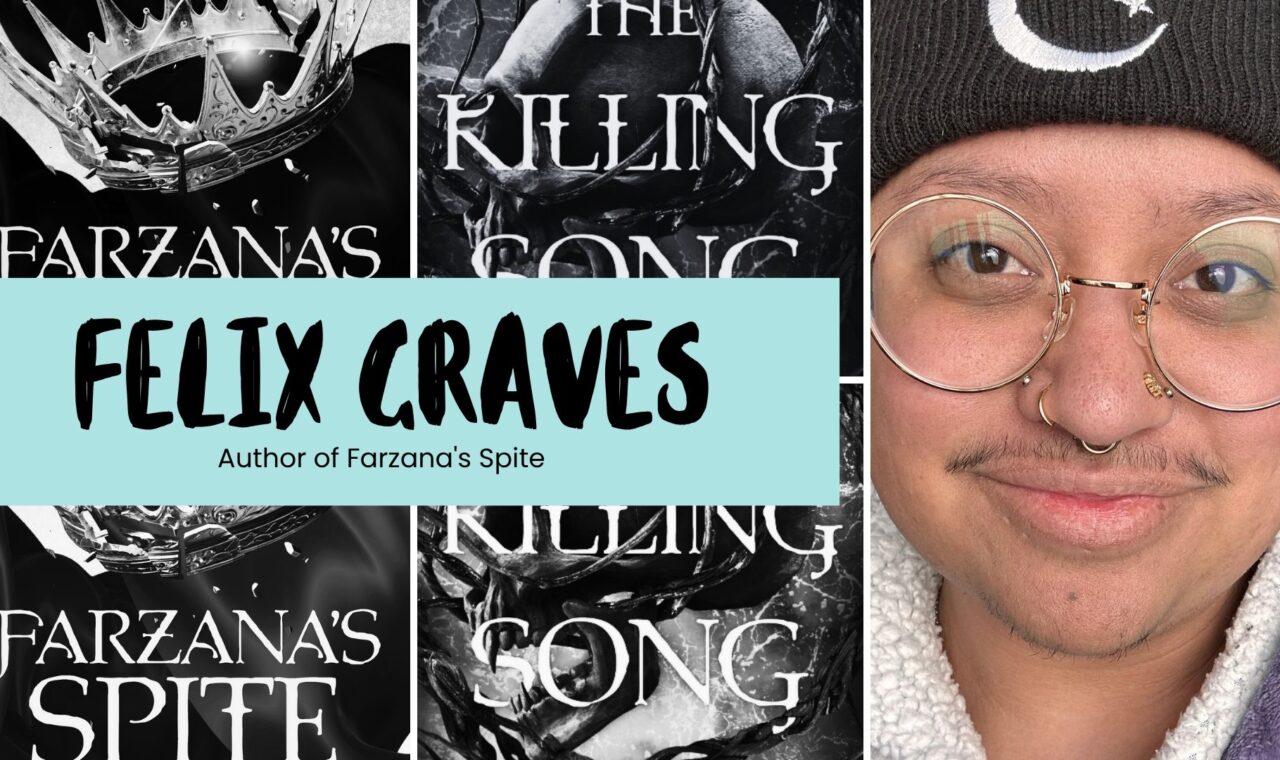
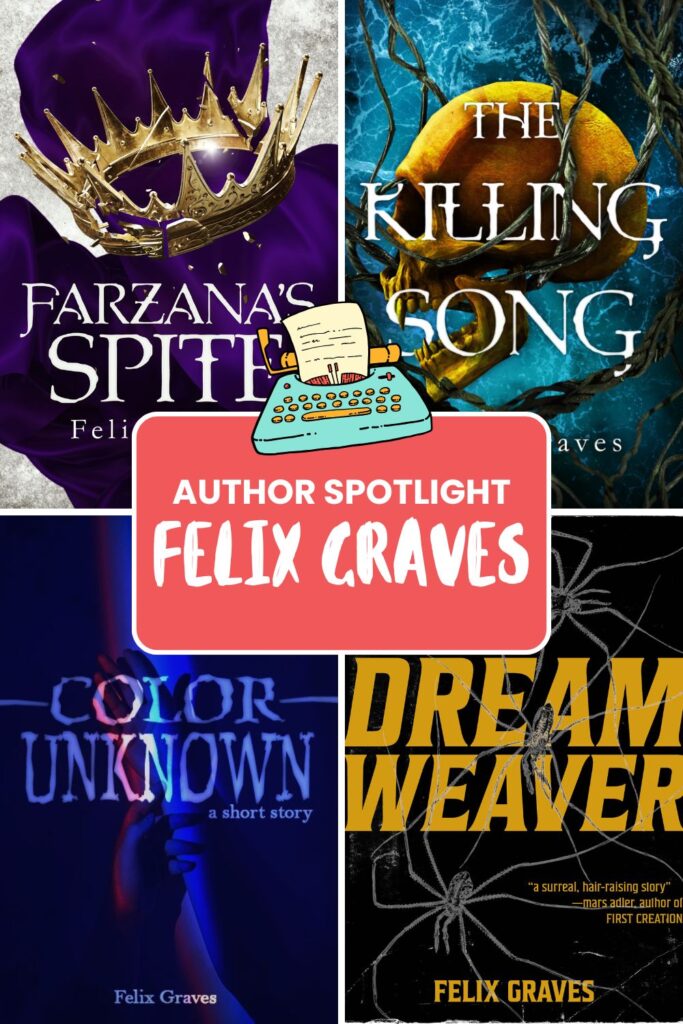
The thing about queer fantasy author Felix Graves is that there is always a surprise waiting for you when it comes to his books. When I think about trans and queer science fiction and fantasy, the first name that comes to my mind is Felix. In the last five years, due to successful trans authors finally breaking into the bestseller list, the rise of trans and racially diverse fantasy has been a joy to witness. One of my favorite people who has made great strides is Felix Graves. Felix Graves is an Indonesian queer and trans author who is most known for the queer fantasy novel ‘Farzana’s Spite’ and I am so glad that Felix took time to discuss his writing journey, his books, and what he is going to do next.
Tell me a little bit about yourself. Who are you? Where are you from? What do you write?
Hello! My name is Felix and I write under the pen name Felix Graves. I’m Indonesian, Pinoy, and Irish, and I was born in Indonesia before moving to the US when I was 2. I’ve mostly lived on the West Coast in California, Oregon, and Washington state, and I actually just moved back to Washington from Oregon last month. I’m so happy to be back! And I’m looking forward to finding some inspiration to continue writing and getting through some writer’s block. I mostly write queer horror and SFF (sci-fi-fantasy) with a focus on trauma, mental illness, family dynamics, and finding hope through all of the adversity.
Are you queer or trans? What are your labels?
Yes! As far as gender, I’m a nonbinary trans man. I’ve been on HRT since late 2021, and I’m hoping to get top surgery in the next year. I was supposed to get it done back in 2023, but finances forced that to the back burner. As for the rest of my queerness, it’s easier to just say “queer” but the labels I use for myself when I’m not trying to make it easier for people to understand are aromantic, asexual, and bisexual.
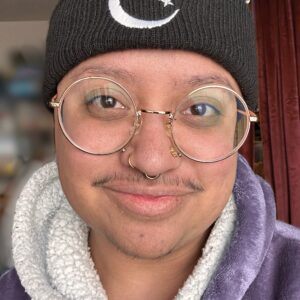
Author Felix Graves
What inspired you to be an author and why?
Reading was my favorite pastime growing up. My family didn’t really believe in screen time for kids, so we didn’t watch tv or shows or play video games. All I did was read and write, and my favorite books were the ones that made my chest hurt. It made me feel like I was alive, and I wanted to someday have my stories make my readers cry, hurt, and feel alive.
What was your author journey?
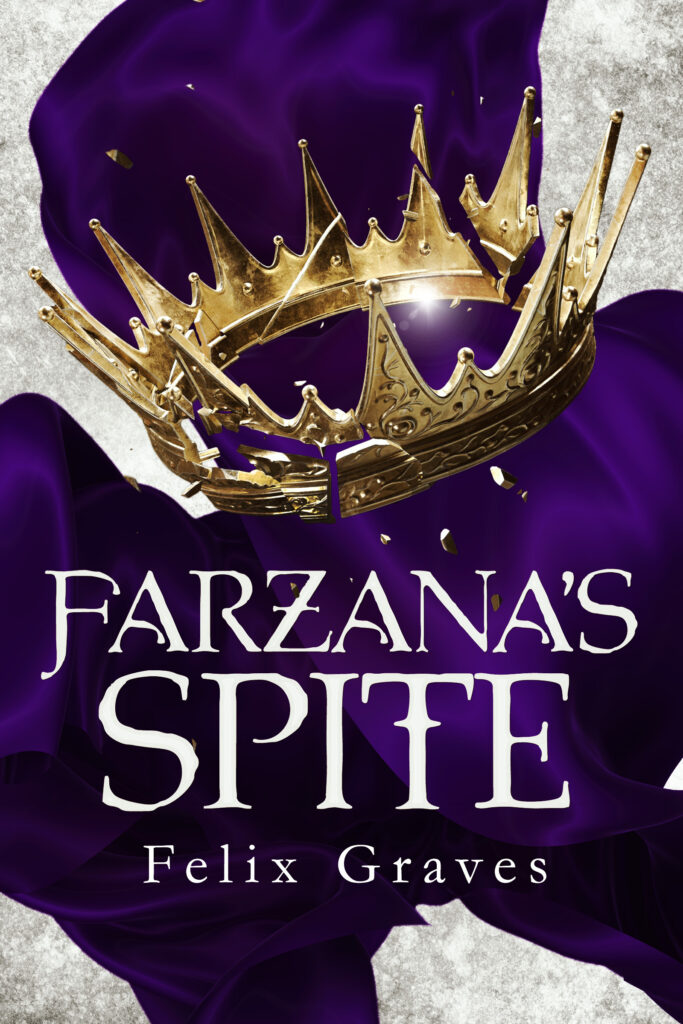
My author journey was ROUGH way before it even technically started. I tell this story in the acknowledgments of my debut novel, Farzana’s Spite, but long story short: I’ve been writing since before I even have memories of writing, and in 2010 my hard drive with all of my writing was wiped. I went 8 years without writing anything at all because it felt pointless, and then I ended up finding a copy of my rough draft for Farzana’s Spite, rewriting it multiple times, and then publishing it in 2024. I actually had several short stories and poems published by indie press anthologies, charity anthologies, and zines before I self-published my debut, and I’ve been working over the last couple of years to republish those under my current pen name.
Why did you decide to become an indie author? And why?
I’ve known for a long time that I didn’t want to query with traditional publishing. I didn’t like the idea of the constraints that trad pub authors are subjected to when it comes to creative control of their books, and I also didn’t think someone like me would really get a fair chance at being picked up anyway. When I finished my MS of FS, I queried it with a couple of different indie presses. They all came back with basically the same feedback: the story was great, but the main character didn’t feel relatable because of how she reacted to the events happening around her. The frustrating part about that feedback was Farzana’s reactions were based on REAL LIFE reactions that I myself have had to similar events. The MC had the same neurodivergent thought processes and feelings that I have. And I realized that even though these indie presses were run by amazing people that I highly respected, none of them were auDHD, so of course Farzana’s thoughts and reactions were confusing. It was incredibly important to me to keep Farzana the way she was, so I ultimately decided to self-publish.
What are the books that inspired you?
I’ve been inspired by many different books for many different reasons, so this list might seem a bit weird. Where the Red Fern Grows by Wilson Rawls inspired me to include body horror in my stories. Tithe by Holly Black (and really all of her books and short stories) inspired me to write faerie stories with a modern feel to them. The Black Jewels series by Anne Bishop inspired me to go fully into fantasy horror and really dig into the fear and joy in tragic stories. The Song of the Lioness quartet by Tamora Pierce inspired me to write messy, complicated, badass women. And since this list is getting a bit long the last book I’ll mention is White Oleander by Janet Fitch, which showed me that there is no black-and-white in humanity, and that the shades of morality and intentions are what can make a story great.
What is your writing routine?
Oof, okay, my writing routine right now is in utter shambles because I’ve been dealing with a bunch of moving and house-related stuff over the past year, but before it got disrupted (aka destroyed) it was pretty simple: write whenever I was bored, or inspiration struck. Until the last couple of years, I wrote exclusively on my phone because I always have my phone on me, Google Docs is available as long as my phone is online, and my hands and wrists are so bad from tendinitis and carpal tunnel that typing on my phone is not only faster than a computer keyboard but is also less painful. I tried in the past to have set hours for writing, but I found that if I had an alarm for it, and knew writing time was approaching, I would find excuses to be busy with something else. It was a lot easier to just start writing as soon as I had a thought for where to go next in whatever current stories I was working on.
How do you balance writing and your 9 to 5 job?
I don’t actually have a 9-to-5 job, or any paying job other than writing and occasional freelance marketing commissions. I’m a stay-at-home-dad, and my husband is our family’s sole breadwinner, so to speak. I have two young kiddos, and managing the household and raising kiddos, and caring for myself, all while disabled, has severely cramped my ability to write consistently. So, to answer your question: I do not!
Why was it important to write queer and trans fantasy?
The constant with all of the books I mentioned before as inspirations, and honestly most of the books I read up until the last decade, was a complete void of queer and trans main or side characters. I never realized HOW important it was to me until I started reading queer fiction, and then it just made sense that my stories should all be some flavor of queer and trans. It’s actually really difficult for me now to start any story without automatically making my characters queer. That’s my default setting.
How does your culture influence your writing?
I’m part of the Asian-American diaspora, which has its own unique cultural impacts on families as well as a whole set of difficulties. Growing up, I was almost always the only Asian in my schools, and the only other brown kids I knew were all Mexican or from various other Hispanic and Latine backgrounds. To me, my culture was not knowing that some words we spoke at home weren’t English; bringing delicious leftovers in school lunches from meals that my mom and I spent hours cooking together, only for the kids at school to tell me it looked and smelled disgusting; and seeing everyone in my family suffering from generational trauma. That might sound bleak, but the way that has impacted my writing is that most of my stories feature food and cooking as an enthusiastic and unapologetic love language, and characters either chafing against or healing from generational family trauma.
What is your method of writing? Plotter or Planster?
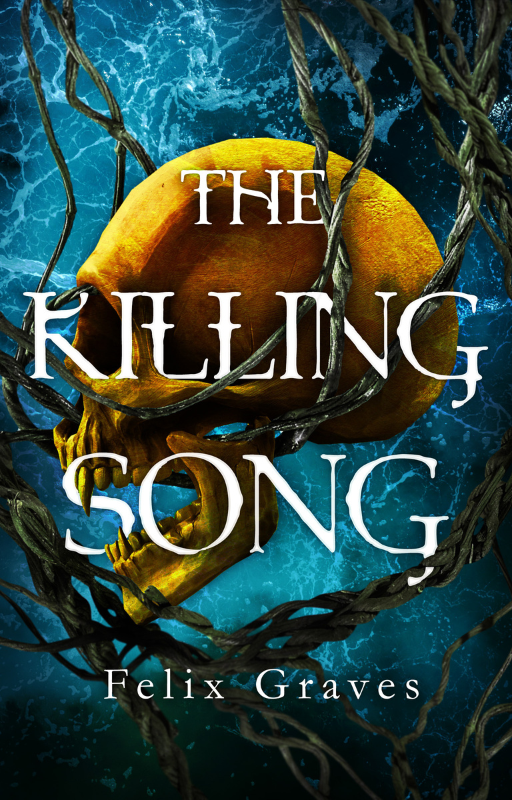
I’m very much a plantser, but in the way that I start off as pantsing and end up plotting. The first thing I come up with for a new story is the general idea of how the story will end, and then I come up with a short bullet list of story beats and scenes that I want to include. And then I just write! I let the characters show me who they are and take me where they will, and when it’s done, I got through and write a very detailed reverse outline. Every scene that I liked: why did I like it? Every subplot that needed work: where does that need to be inserted? Do I need more subplots? Do I need more or fewer characters? Backstories? My reverse outline is SUPER detailed with exact phrases that I want to use and which characters are saying what and where and to whom. The outline ends up kind of looking like a screenplay. After that is done, I will completely rewrite a new draft by only using the outline. I don’t even look at the previous draft. And once my new draft is complete, I go back through and do the same thing! I actually rewrote Farzana’s Spite a total of 3 times, and I rewrote my sophomore novel, The Killing Song, twice. It’s what works for me!
How many drafts did you go through before you finished the book?
I guess I kind of already answered this, but at the very least two drafts, and sometimes as many as four. Usually, it’s just two, though.
What advice would you give to aspiring authors in your genre?
This is such a tough question! I still sometimes feel like I have no clue what I’m doing. As far as writing queer fantasy horror, though, my first thought is to figure out what horror means to you. I mostly write surreal horror and body horror, and for me, those are metaphors for mental health struggles and queer/trans trauma, respectively. In my opinion, if you don’t know what your horror stands for, it’s easy to get lost in either gratuitous violence and trauma porn, or just completely miss the mark on your story being horror at all.
What’s one writing rule you believe in and one you think is made to be broken?
I absolutely believe that you should always have at least one alpha reader and one beta reader. Alpha readers have been invaluable to me, especially as a pantser to help me stay on track and notice when the story is turning into something I don’t want it to be. And for a rule to be broken: adhering to Western literary conventions. That’s pretty broad, but one of the specific ones I chafe against is whether my protagonist needs to be active. Western literature tells you that your protagonist must always be active, or it’s a weak story, but in Asian literature (and in many other global South and Eastern literature) storytelling isn’t always about a hero’s journey. Often, the protagonist(s) are the vehicle for telling a story, rather than the thing that controls the story. And that’s not a bad way to write, no matter what Western trad pub tells you! I especially think that this mode of storytelling goes well with horror, especially in the types of horror stories I write.
What is your favorite part of being a writer?
I love being hurt by my own stories, and I love when I hear from my readers that my stories make them cry or get angry. Those are such basic human emotions and I love that my stories can stir those up for others as well as myself.
Growing up did you know you wanted to become a writer or was it not until you were older did you realize it?
I always wanted to be a writer and eventually an author. Losing my hard drive contents, which included a bunch of half finished novel rough drafts, several finished fanfics, and a bunch of poems, was heartbreaking. I stopped writing because I couldn’t see a way past that loss. Looking back, I know that quitting writing was horrible for my mental health and general wellbeing. I will always be grateful at getting a second chance at writing.
How has your writing evolved since you first began publishing?
I feel much more fearless and unapologetic now compared to when I published my first short story. There are topics and themes that past-Felix wouldn’t have dreamed of approaching that I am now excited to write about, explore and present to the world.
What is your book about? How did you get the idea for your current book?
I am so behind on this, but my current book is technically the sequel for The Killing Song. It actually didn’t start out as being a book at all; the entirety of what I have planned for this book was actually just a very detailed epilogue in TKS. When I sent out my final (pre-edited) draft of TKS to my beta readers, every single one said the same thing about the epilogue: write it as a full book! And how could I ignore such a unanimous request? So yeah, the idea for this book was less of a full idea and more of a way to wrap up the tragic end of TKS.
What do you hope readers will take away from your book?
I mention this in the Foreword of TKS, but I really want this story as a whole to make people angry about current injustice in the world, and particularly in the US, and also in the areas abroad where the US is enacting horrific violence. TKS was a call to anger, and the sequel is a call to action.
Is there a particular scene or passage you’re incredibly proud of?
I’m still in the basic outlining stage of the book so there isn’t a completed passage I can share, but I am very excited to write a specific scene with Romada, one of the main characters from TKS. After the ending of TKS the entire pirate crew is in shambles, and Romada, who was already struggling mentally, is now just completely off the rails. There’s a part of the book where she meets a child that she had saved previously from one of the internment camps she and her crew liberated. This child reminds her of her girlfriend, who they are all searching for in TKS, and when she first saw the child in the camp, Romada panicked and ran away from her. In this upcoming scene, Romada and the child bond and enter a parent-child familial relationship. I’m very much looking forward to having Romada start her healing journey and relearning what family should mean.
What’s one thing you know now that you wish you’d known when you started writing?
I wish I knew that it’s okay to have morally grey main characters! And that it’s okay to explore darker themes.
Did you have to cut anything important from the final version of your book?
I tend to be an underwriter, so I don’t anticipate having to cut anything from the book. In fact, in my last two books, I had to add 30k-50k MORE words. I enjoy that process, though, as that’s when I get to do my reverse outline and start weaving new subplots into the story.
After finishing this manuscript, did you immediately start something new or spend three weeks staring at a wall?
Ask me again once I manage to actually finish! And also please wish me luck on actually finishing.
What are you working on next?
Right now I’ve got a swiftly approaching deadline for a short story for an anthology that I’m not allowed to disclose any details about yet. I’m super excited to share the news, though in a couple of months! For now, I’ll give this little spoiler: my story features an immortal and an underwater volcano. And some tragedy, obviously!
Where can we find you? (social media links, website links, landing pages etc)
All of my socials are under the username authfelixgraves. You can also find me at my website: authfelixgraves.com or you can subscribe to my newsletter—signup is located on my website!
Pin This

Discover more from Loud In The Margins
Subscribe to get the latest posts sent to your email.



Leave a Comment